01
Phase 01
Operational Workflow Mapping
We mapped how dispatchers, drivers, and customers interact across the full job lifecycle, identifying where visibility gaps and communication delays were slowing daily operations.

A dispatch and fleet-management product that helps teams coordinate drivers, monitor live vehicle movement through Android and iOS device GPS, assign tasks, communicate in real time, and share tracking updates with customers.
iDispatch is positioned as a multi-industry dispatch and fleet-management solution used across logistics, delivery, transport, HVAC, and emergency services. The product had to feel operationally clear for dispatchers while remaining practical for drivers and transparent for end customers waiting on live updates.
The Core Challenge
Dispatch-heavy businesses often struggle with fragmented communication between operators, drivers, and customers. Without a single operational view, teams lose time chasing vehicle locations, manually relaying job updates, and responding to customer ETA requests. The product needed to bring tracking, communication, task execution, and route accountability into one streamlined workflow that could support industries ranging from courier services to emergency response, without forcing every team to deploy dedicated GPS hardware first.
Our Strategic Solution
We shaped iDispatch into a unified dispatch platform centered around real-time coordination. The experience combines live location tracking powered by Android and iOS device GPS, network-based dispatcher communication, geofence awareness, task assignment, route history, and customer-facing tracking links. This gave operations teams one place to manage vehicles in motion, collaborate with field staff instantly, and keep customers informed without adding manual overhead or depending on separate GPS hardware installations.
iDispatch combines real-time tracking, communication, geofencing, task execution, and customer visibility into a logistics workflow built for speed and accountability.
Operational Core
Real-Time Dispatch
Live GPS visibility, task execution, and dispatcher coordination are handled in a single operating flow.
Tracking Model
Device GPS
The platform uses Android and iOS device GPS for live tracking, reducing dependence on dedicated GPS hardware rollouts.
Location Intelligence
Geofencing & History
Route awareness is strengthened through area-based visibility and historical movement records for follow-up and planning.
Field Coordination
In-App Messaging
Dispatchers and drivers stay aligned without relying on disconnected tools for every update or status change.
Customer Experience
Live ETA Sharing
Tracking links improve transparency and reduce the manual burden of answering repetitive customer progress requests.
A look at the mobile-led workflows covering tracking, tasks, messaging, and customer visibility.
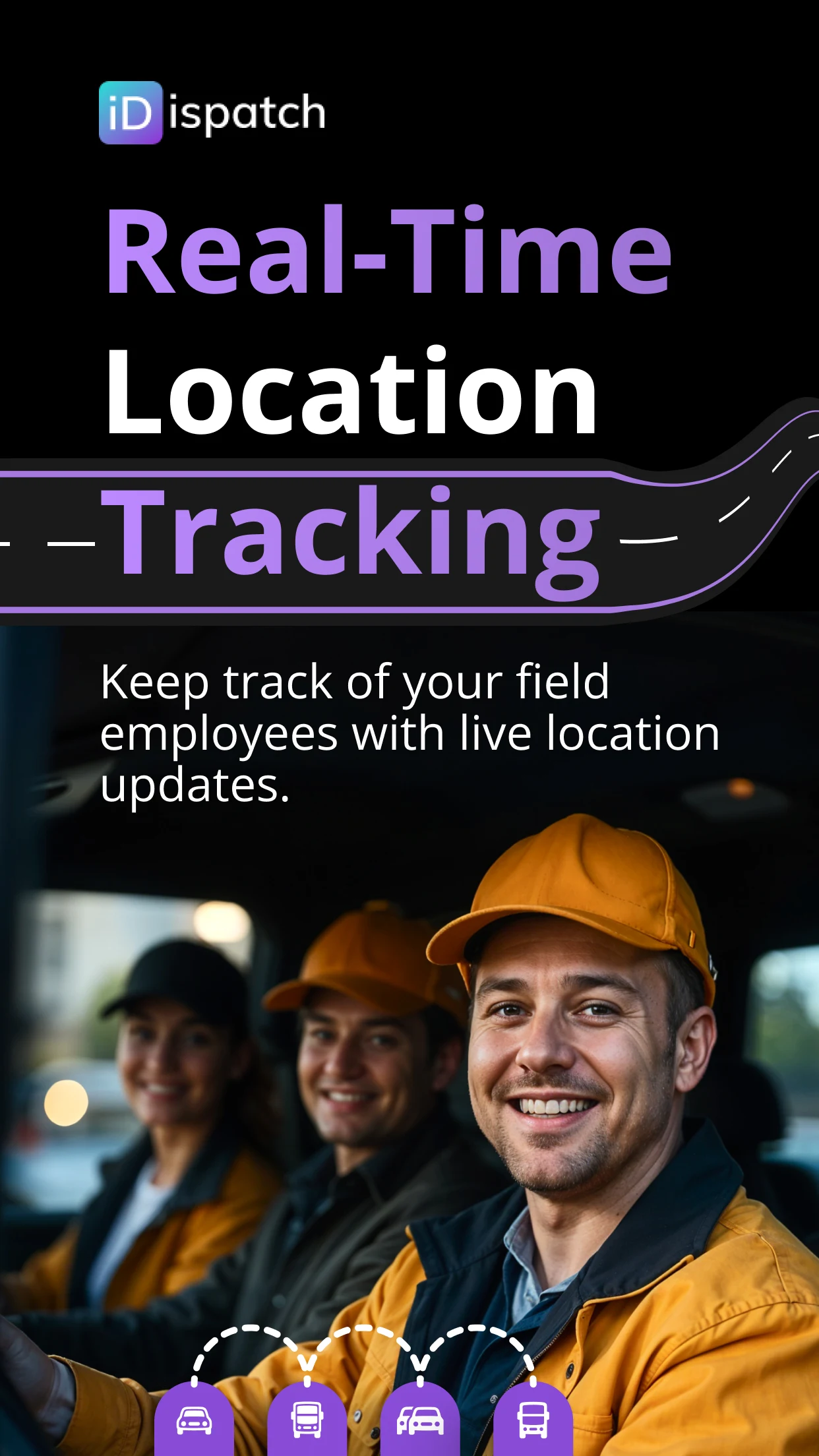
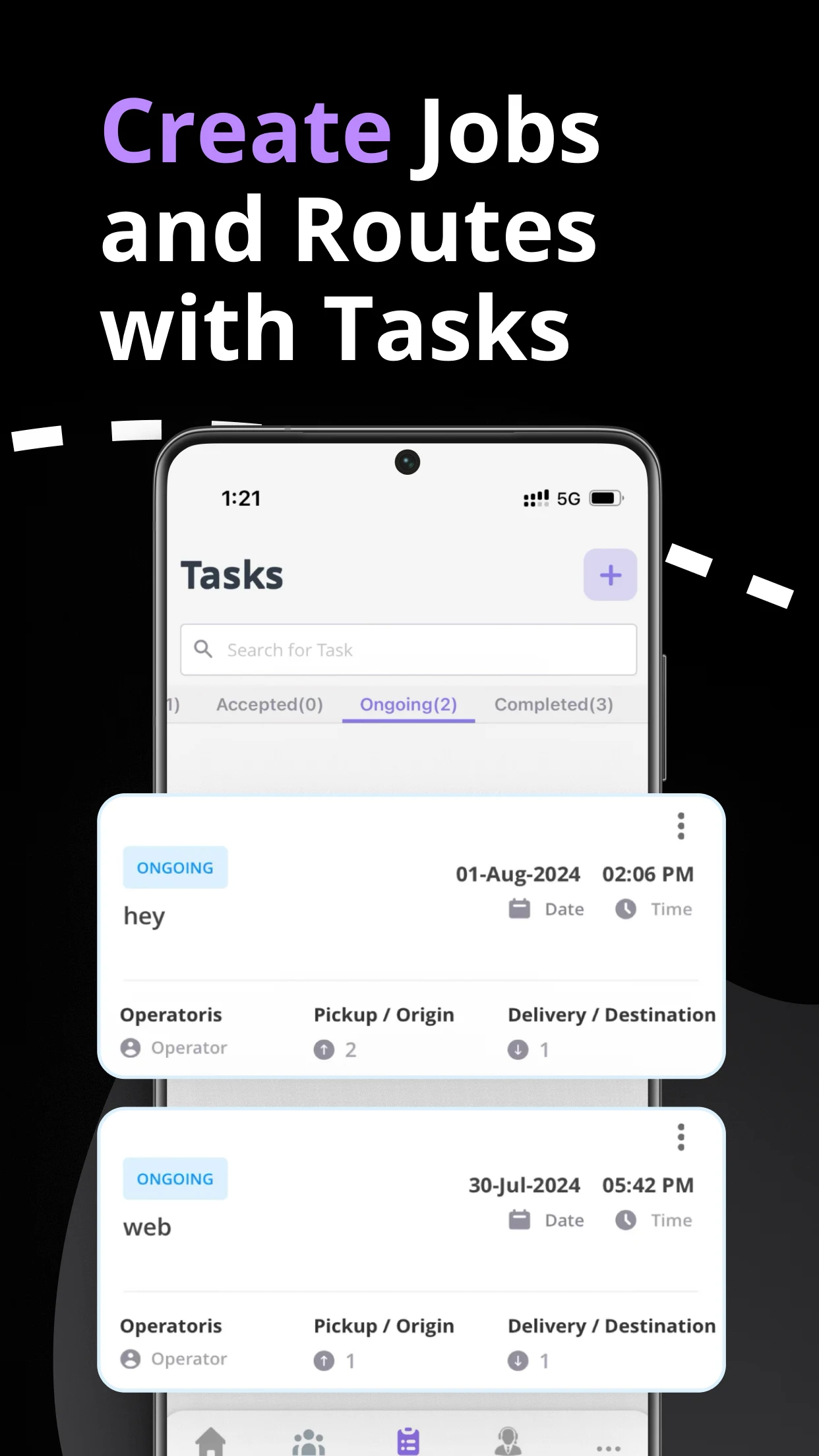
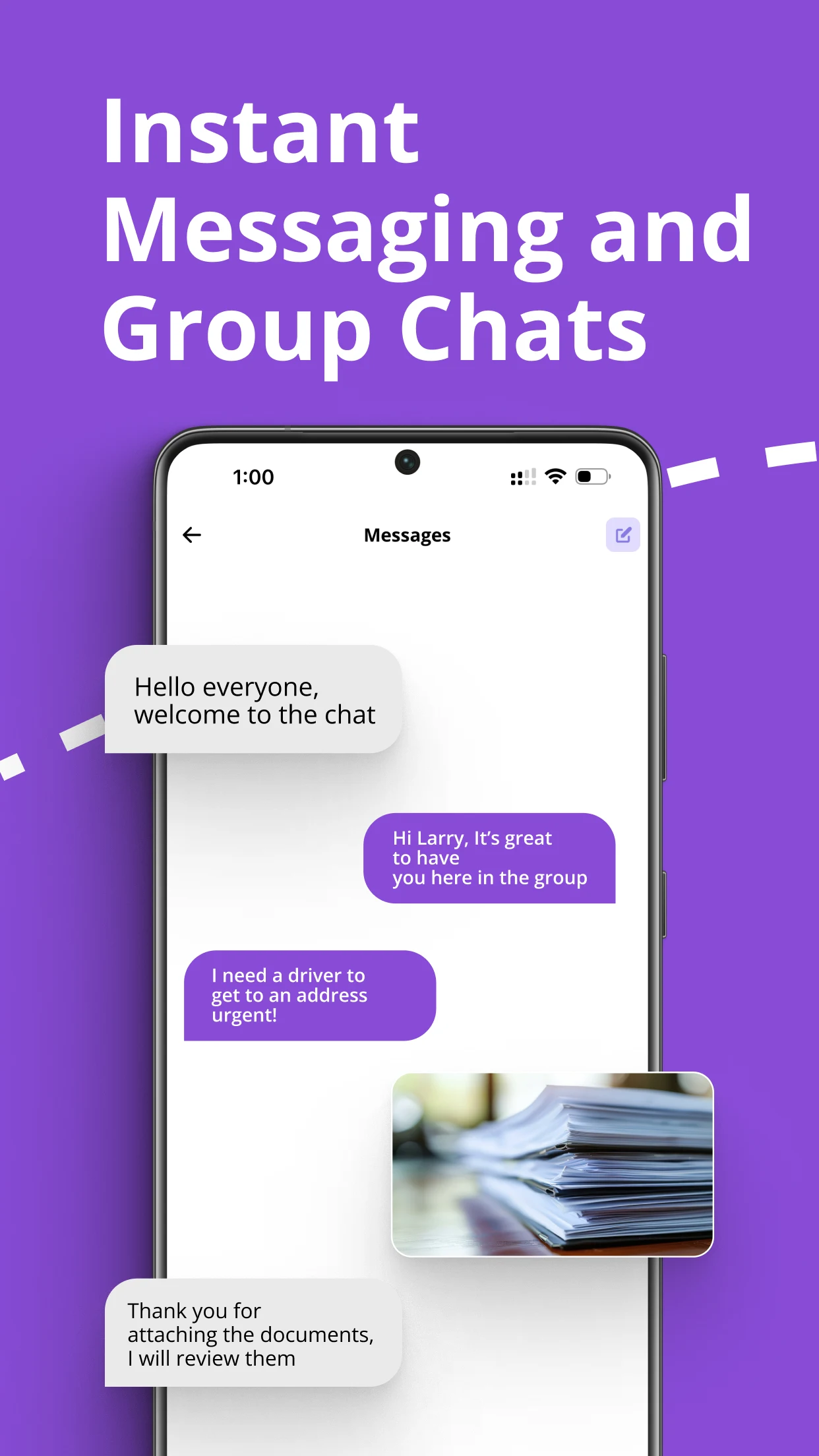
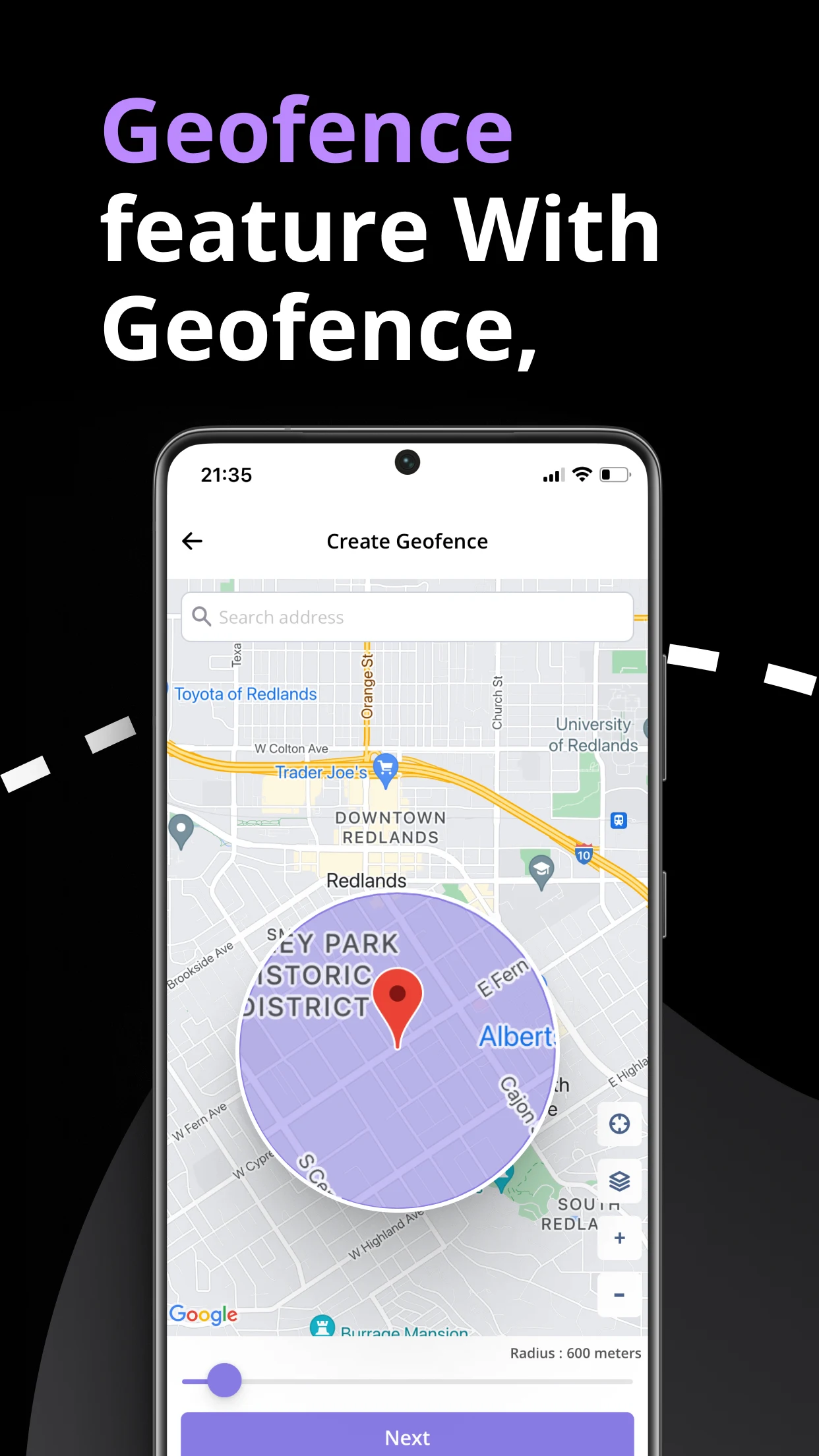
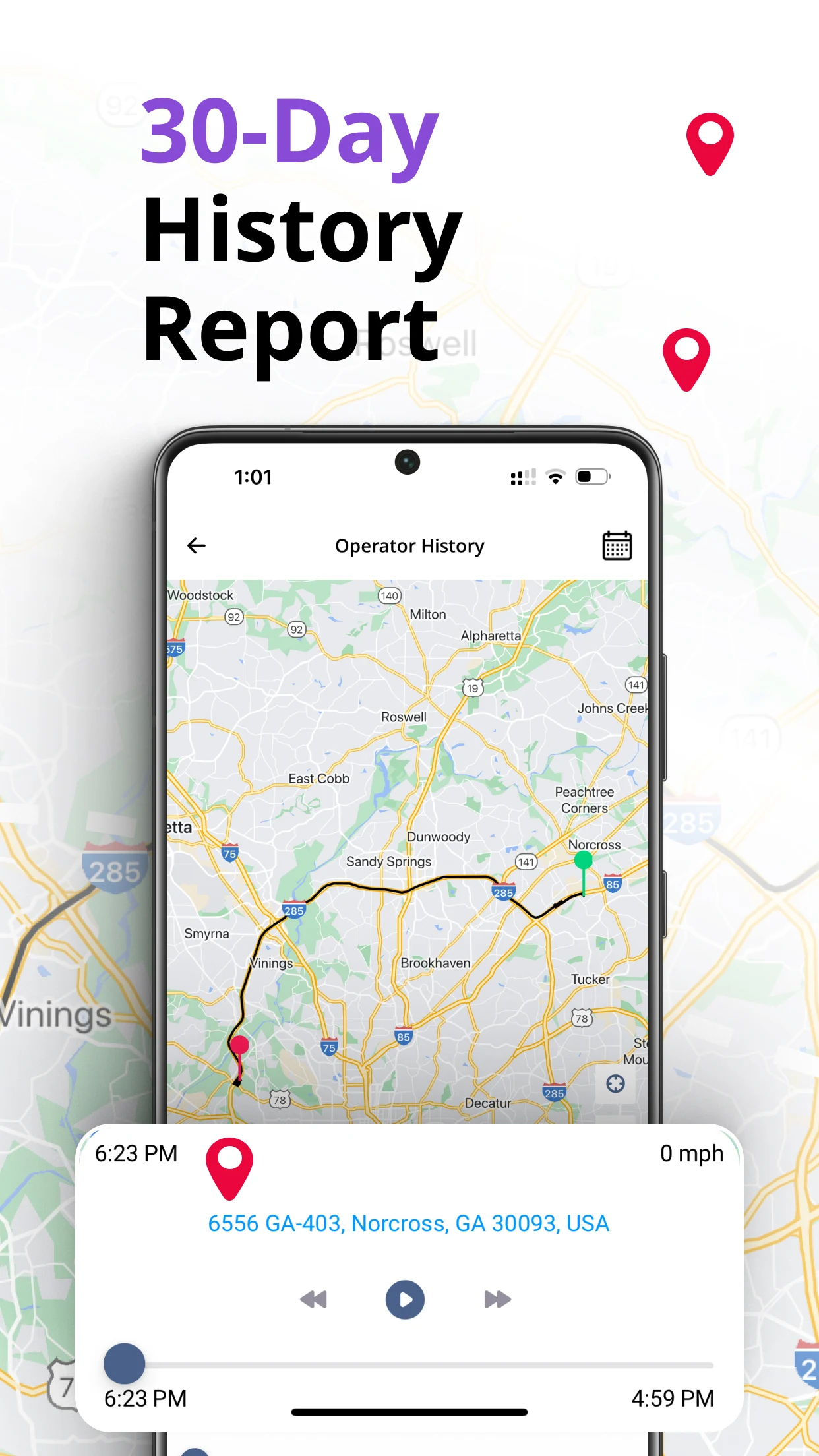
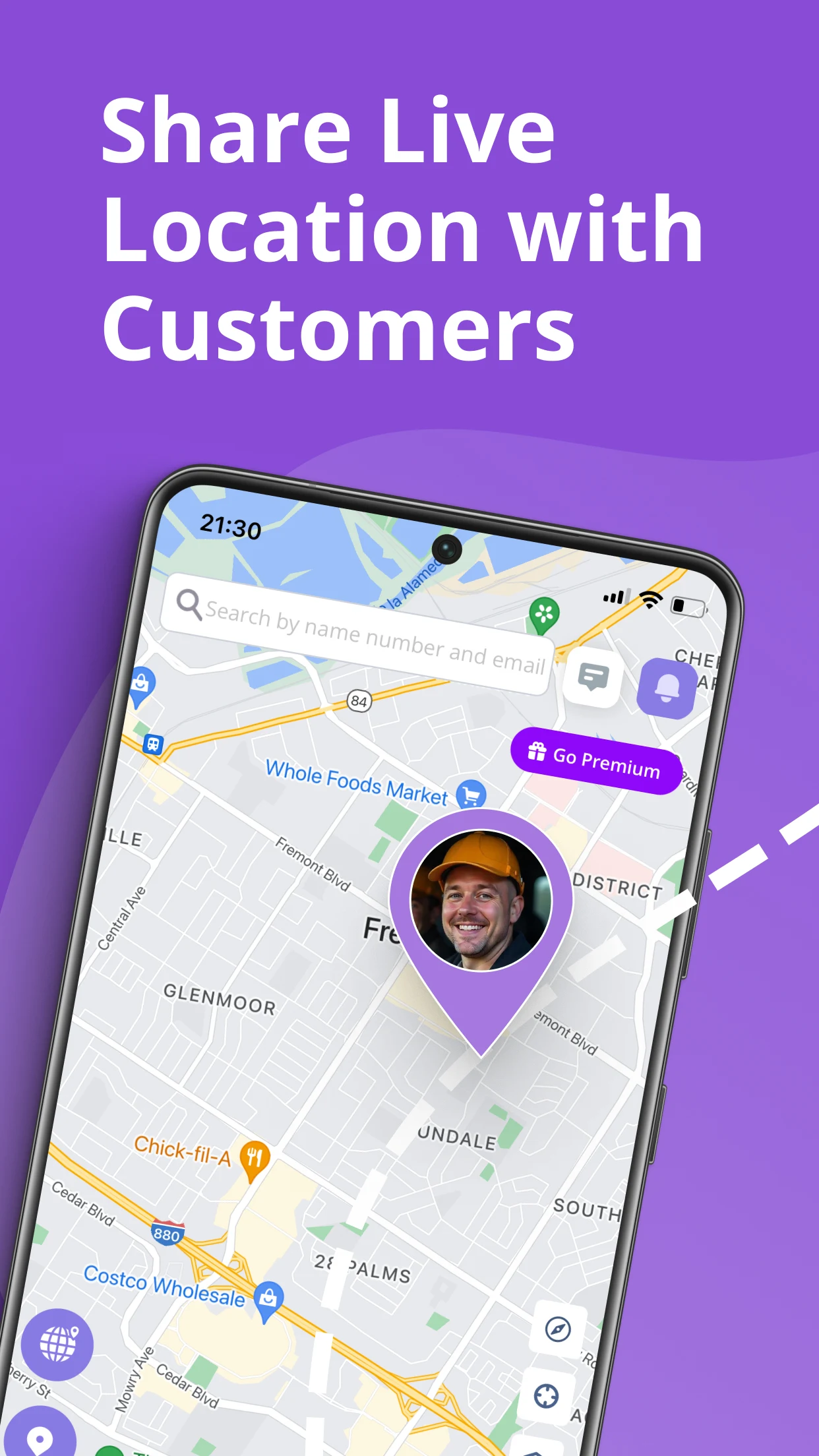
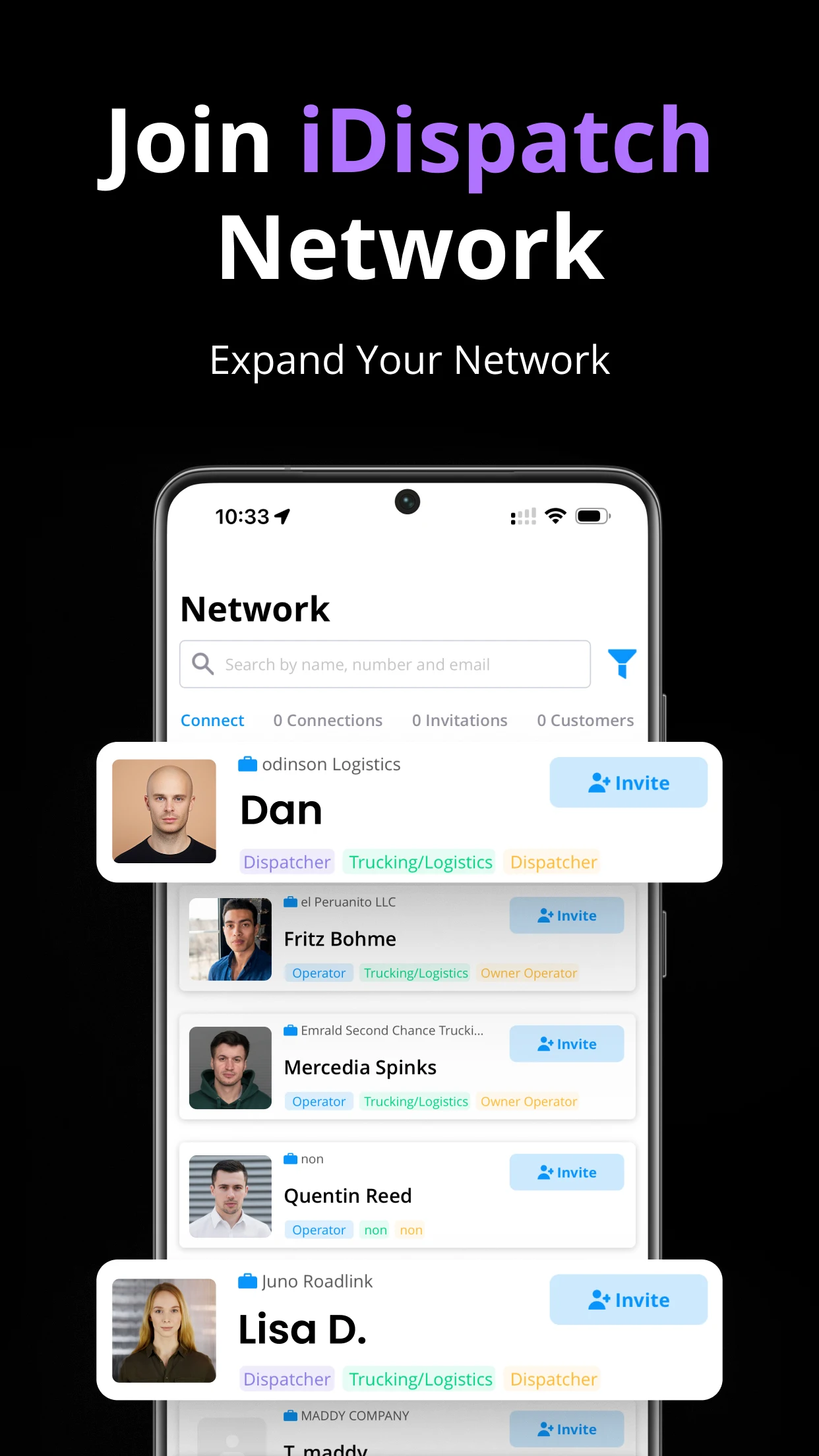
The platform improves how teams monitor active jobs, review history, and keep customers informed while work is moving.
Dispatchers can monitor moving vehicles and field teams from one operational view using mobile device GPS.
Historical location records stay accessible for review, accountability, and planning.
Tracking links reduce status-call friction by giving customers direct visibility.
Impact Summary
iDispatch consolidated live tracking, driver coordination, and customer visibility into a single dispatch workflow. By using mobile device GPS instead of requiring dedicated GPS hardware, teams can react faster in the field, reduce rollout friction, and keep historical movement records available for follow-up, planning, and service accountability.
Henry
Founder
iDispatch
“Hastree helped us bring dispatch, driver communication, and customer updates into one operating flow. The team now works with far more visibility, and customers no longer feel left in the dark while jobs are in progress.”
A practical rollout focused on making dispatch workflows clearer, faster to operate, and easier to scale across active field teams.
Timeline
5 Months
Steps
5 delivery phases
Phase 01
We mapped how dispatchers, drivers, and customers interact across the full job lifecycle, identifying where visibility gaps and communication delays were slowing daily operations.
Phase 02
The core product flow was organized around live GPS visibility from Android and iOS devices, route context, and Google Maps-based dispatch awareness so teams could act on movement in real time without requiring separate GPS hardware.
Phase 03
We structured task assignment, status updates, and dispatcher-to-driver messaging to keep the field workflow inside one operational system instead of scattered calls and texts.
Phase 04
Live location sharing and ETA-oriented touchpoints were introduced so customers could follow progress directly without depending on dispatch for every update.
Phase 05
We rounded out the platform with route history, geofence visibility, and a scalable mobile-led experience that could serve multiple dispatch-driven industries.
Let's design a product that gives your operations team better visibility, stronger workflows, and a cleaner customer experience.
Let's TalkCommon questions about real-time tracking, geofencing, operational visibility, customer ETA sharing, and security in dispatch and fleet-management platforms.
Share your scope and we'll review the requirements and send you a free quotation.
Request a Free Quotation